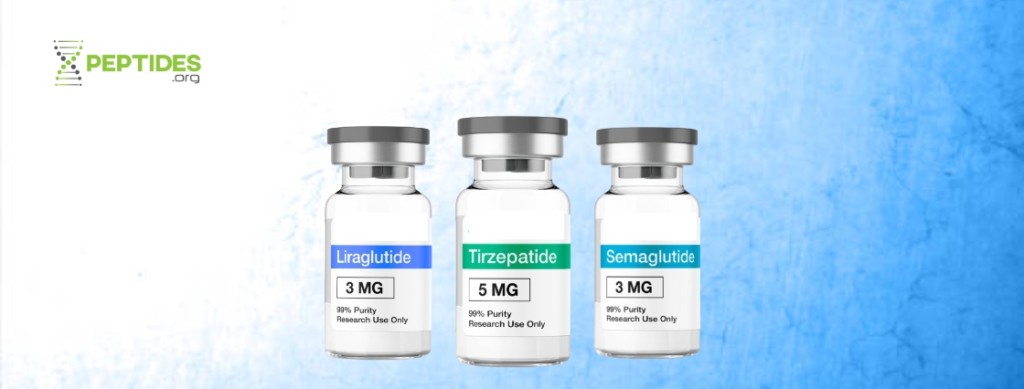
Comprehending Peptide Pureness: What 99%+ Really Suggests
Peptide And Peptoid Synthesis Core This impressive resource enables scientists to validate items without expense, though shipping expenditures and example preparation stay your duty. For researchers dealing with specific substances like BPC-157 or TB-500, mass spectrometry confirmation guarantees you're collaborating with the actual substance rather than something else completely. This method separates peptide mixes and quantifies the loved one amounts of different parts. When a COA Research Laboratories states "99% pureness by HPLC," this implies the evaluation revealed 99% of the found product was the target peptide, with just 1% being impurities. These documents apparently validate purity, identity, and various other quality metrics.
Is 95% pureness great for peptides?
Peptides with an 85% pureness level or higher are generally used in enzyme assays or organic task researches. Peptides with pureness more than 95% are outstanding for quantitative analysis.
In practice, this typically entails third-party or independent screening by an outside lab to validate that a peptide product in fact contains what the label declares [2] Unlike a producer's internal testing, independent third-party laboratory validation is impartial and supplies unbiased outcomes, including credibility via unbiased analytical data. Making sure that each batch goes through appropriate laboratory testing helps confirm the peptide's authenticity and pureness, which is vital for both research study validity and safety.
Peptide Vendors & Manufacturers
It transforms an unlabeled white powder into a clinically proven reagent.
Purity testing data is usually summarized within a Certification of Evaluation (COA).
The peptide in your vial might not even be the substance you purchased.
These business laboratories typically serve pharmaceutical and biotech customers however may approve specific research samples at suitable price factors.
A confirmed peptide vendor gives batch-specific COAs linked to vial great deal numbers, with interpretable logical outcomes, generally including HPLC purity profiling and mass spectrometry identity confirmation. Next, take a look at the lab's technological capacities and approaches. Trustworthy peptide testing labs will supply a collection of contemporary analytical methods-- HPLC paired with MS is a must, and accessibility of additional techniques like capillary electrophoresis or amino acid analysis is an incentive. Be cautious of laboratories that do not use mass spectrometry along with HPLC, as this might miss out on crucial identification details. In a similar way, avoid laboratories that can not show validated logical techniques. Before a peptide is utilized in a study setting, scientists typically review testing paperwork to much better comprehend item identity, pureness requirements, and overall high quality requirements. With high levels of experience in carb chemistry and our detailed peptide evaluation system, Innovative Peptides can offer top quality peptide pureness decision services. According to strict evaluation quality control and biosynthetic quality assurance criteria, each peptide is strictly kept track of during the evaluation cycle. When examining peptide high quality, most people concentrate on pureness (HPLC) and identity (mass spec). Those verify you have the right particle and that it's relatively clean from peptide-related byproducts. High-Performance Liquid Chromatography (HPLC) is the common method for measuring peptide pureness.
What Can Go Wrong Without Lab Recognition?
You can learn more concerning our analytical testing protocols on our screening and quality web page. If the target peptide's peak represent 99.1% of the complete peak location, the peptide is reported as 99.1% pure by HPLC. The launch process of peptide formulas is intricate, and a lack of scientific information prevents advancement. We establish artificial insemination release versions, supplying total launch curves and kinetic model analysis to maximize item style. Residual natural https://orcid.org/0009-0004-1195-9302 solvents, metal ions, or spin-offs from synthesis might cause toxic negative effects. During the discovery, we utilize RP-HPLC integrated with MS to establish the molecular weight of the peptide. The absolute amount of the right peptide in a sample is the item of the peptide web content and the peptide purity. BOC Sciences has a top-tier peptide top quality testing platform, incorporating advanced analytical innovations and high-end instrumentation to supply exact and effective peptide high quality examination solutions. Laboratory recognition for peptides suggests making use of clinical examinations to confirm a peptide's identification, pureness, and make-up. Importantly, pureness percentages explain chemical composition just-- they do not suggest sterility or biological suitability. Peptides from Maxed Out Substances are provided specifically for laboratory research use and are not meant for human or veterinary objectives. The bottom line is not to perplex pureness (HPLC portion of the primary peptide vs impurities) with overall web content. For experimental planning (like determining molar focus), both purity and net web content work numbers, but pureness is what shows the chemical homogeneity of the peptide example.