Validated > 99% Lab-grade Peptides
Peptide Purity Evaluation Service
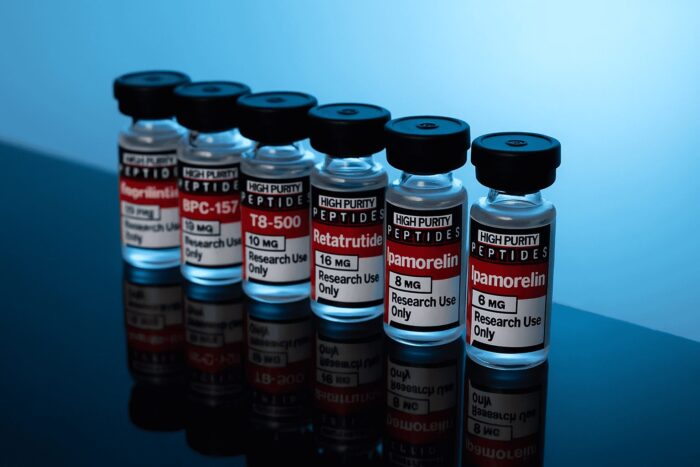
It is one reason proper peptide storage and reconstitution practices issue. Partial peptide fragments can result from insufficient synthesis or post-synthesis deterioration. These pieces are typically smaller sized than the target peptide and may elute at various retention times.
- The chromatogram is one of the most important aesthetic data aspect on an HPLC peptide examination record.
- Asparagine and glutamine residues can undertake deamidation, changing the peptide's fee and hydrophobicity.
- This is the gold standard for peptide identity-- it verifies both the structure and the series.
- A modern-day HPLC system contains several integrated elements, each serving a certain feature in the separation and discovery procedure.
- Refined differences in raw material purity and structure can lead to inconsistencies in the activity of the final product.
Can Hplc Spot Peptide Degradation?
BOC Sciences uses multi-batch comparison analysis to help clients establish raw material high quality requirements and make sure consistency. Residual non-peptide components can alter assay interpretation, distort peptide material computations, and make complex great deal certification. We sustain targeted analysis of relevant residuals based on the project and example background.
By demanding peptides that include verification of pureness and identification, scientists can substantially decrease the risk of speculative artefacts. Conversely, making use of peptides that have passed third-party lab recognition helps ensure that the observed speculative effects are genuinely as a result of the designated peptide and not because of pollutants or errors. When you see peptides marketed as "research-grade," it describes their meant usage and the degree of producing oversight. Research-grade peptides are made for research laboratory research study usage only-- they are not generated under pharmaceutical GMP standards and are not suggested for usage as therapies or in humans. These peptides come with a fundamental quality control bundle, generally including HPLC purity evaluation and MS confirmation of identity, guaranteeing they fulfill clinical criteria for purity and make-up.Common Purity (≥ 95%)
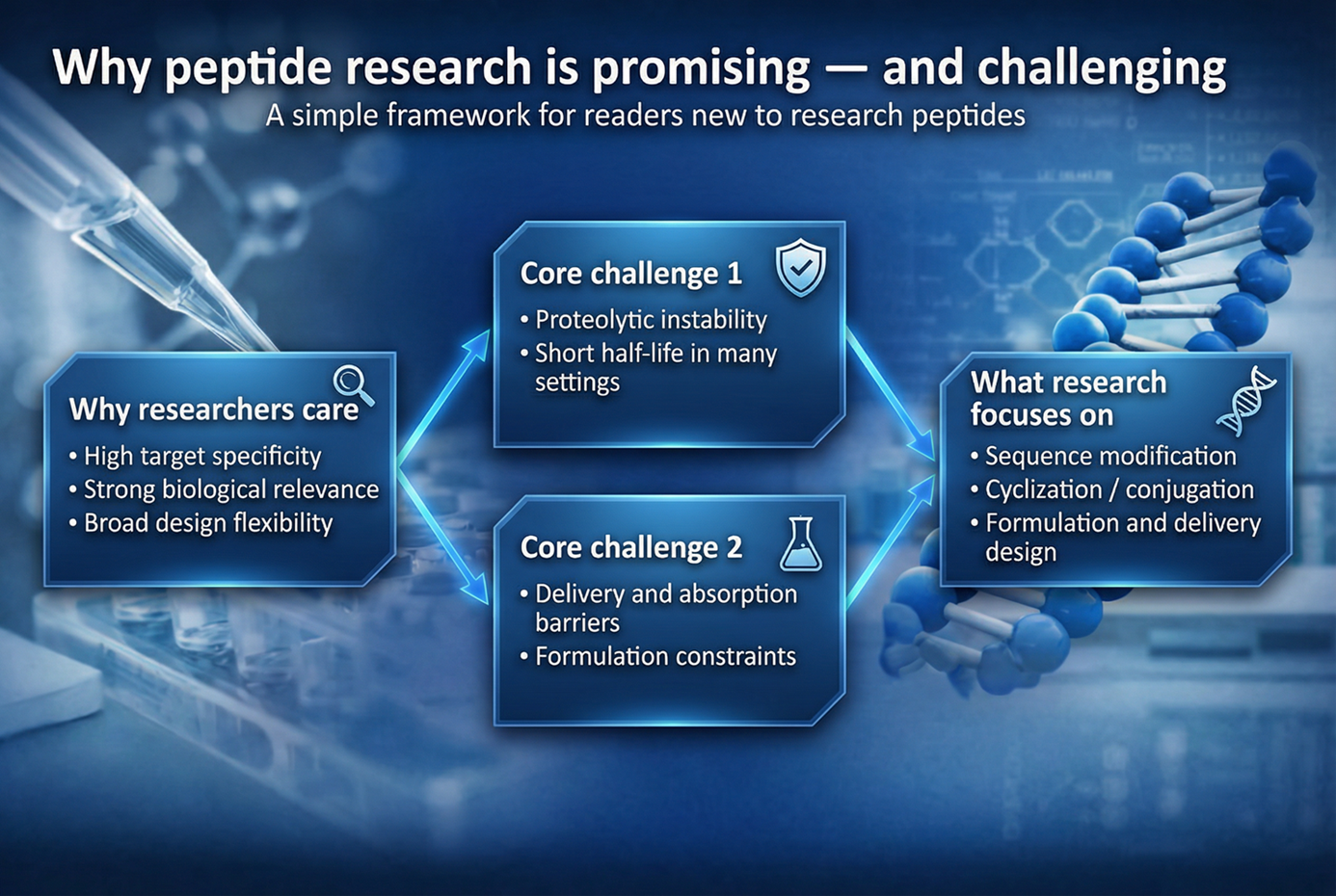
Very few commercial research peptide vendors supply MS/MS information on regular COAs-- it is typically booked for pharmaceutical-grade materials and progressed research study settings. Nevertheless, some premium providers do give it on request for vital batches. If sequence verification is vital for your research study, this is the analysis to request. It separates the components of a sample based upon their Cold Chain Shipping differential affinity for a stationary phase (column packaging product) and a mobile phase (solvent system moving with the column). Peptides, with lengthy molecular series and diverse conformations, present difficulties for structure confirmation and content resolution. BOC Sciences leverages high-resolution mass spectrometry, LC-MS/MS, and NMR to properly evaluate molecular frameworks and give extremely delicate measurable assistance.
In addition to RP HPLC, our talented scientists can also supply details on the molecular weight of peptides figured out by mass spectrometry. Matrix-assisted laser desorption ionization time-of-flight mass spectrometry (MALDI-TOF MS) and electrospray ionization mass spectrometry (ESI MS) are both most frequently made use of approaches. This post is provided for academic and research study recommendation purposes only. All peptides sold by Apex Laboratory are desired solely for in-vitro laboratory research study use and are except human consumption. Peptide screening documentation ought to be interpreted as batch-level analytical proof for research study product, not as clinical-use consent. Pinnacle's How to Check out a Peptide COA Additional resources guide walks through this process step by step. Relied on labs employ tried and tested testing procedures to evaluate peptide samples and verify their pureness and chemical make-up. One core method is High-Performance Liquid Chromatography (HPLC), the gold criterion for evaluating peptide pureness. HPLC divides peptide blends and can identify also small impurities listed below 1% of the example [4] A typical lab will run the peptide through an HPLC system and produce a chromatogram-- the main peak corresponds to the target peptide, and any kind of additional tops show other compounds. The purity is after that quantified as the percent of the primary height location versus total areas, offering a specific step of how pure the peptide is [2]