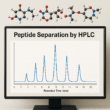
Why Hplc Purity Testing Issues For Research Study Peptides 2026
#hplc #ms #testing #reports Olga Liao Third-party screening removes this bias by introducing an external entity without economic stake in positive results. Scientists can go to Optima Labs and go into the COA code to verify set credibility and purity in seconds. This traceable confirmation procedure supplies complete visibility from synthesis to delivery.
- They can not be marketed or cost human usage, clinical treatment, or cosmetic use under the Human Medicines Regulations 2012.
- The proper peptide moves through the column in a predictable means, while unwanted materials-- such as leftover fragments, harmed peptides, or impurities-- relocate in different ways.
- As a UK Peptides Company, top quality verification is not just an insurance claim; it's a system built for openness, scientific accuracy, and depend on.
- Sign up with over 5,000 energetic members and get updates on new kid on the blocks and latest laboratory reports.
Explore Material Classifications
It is one factor correct peptide storage space and reconstitution methods issue. In the common peptide COA context, peak purity typically refers to the percentage of complete chromatogram location represented by the primary peptide height. It is an area-percent pureness measurement, not a total identification or activity test. Mass spectrometry confirms whether the determined mass matches the expected peptide mass. The high quality and reliability of a peptide purity dimension rely on approach parameters and documentation quality. The mobile phase, usually a mix of water, acetonitrile, and an acid modifier, is stored in reservoirs and delivered with the system by a high-pressure pump.Compounds
Lyophilised peptides must be saved at -20 ° C or cooler, safeguarded from moisture and light. Once reconstituted in option, peptides are extra susceptible to deterioration with oxidation, deamidation, and temperature level changes. Aliquoting reconstituted peptides into single-use portions prevents repeated freeze-thaw cycles. HPLC recognition of purity is important for peptide recognition and trusted experimental outcomes. For peptide purity testing, reverse-phase HPLC is the typical conceptual model. The chromatographic pureness is then calculated by contrasting the area under the main peak with the overall location under all incorporated tops. Dosage confirmation research for solution samples is a substantial component of any type of engaging GLP research and is necessary by the United States Fda (USFDA) for formulations dosed in toxicology research studies. We offer top quality, preclinical dosage solution analysis for GLP and non-GLP researches to ensure your research study begins on the ideal path. NorthEast Biolab (NEBA) has considerable Research Material Supply experience in all elements of dosage solution evaluation.Just how much time does an HPLC test take?
Time Required for HPLC EDTA Test Records + Following Actions